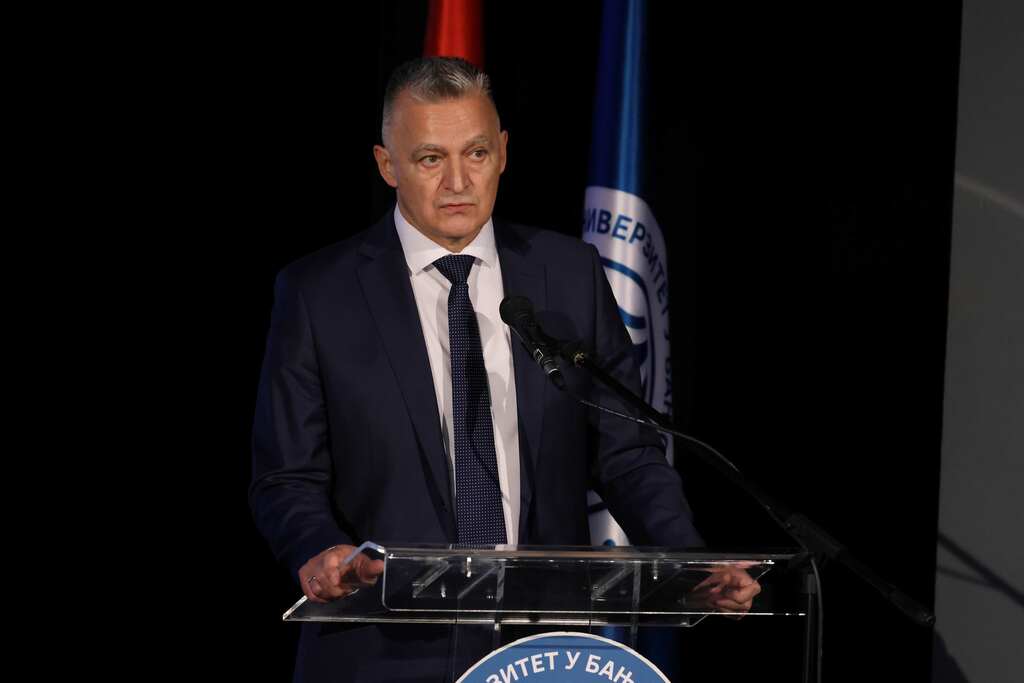
The Acting Rector of the University of Banja Luka (UNIBL), Prof. Ranko Škrbić, PhD, said that this year the University had awarded 132 academic staff members, associates and researchers for their scientific and artistic achievements, with approximately BAM 152,000 allocated for this purpose.
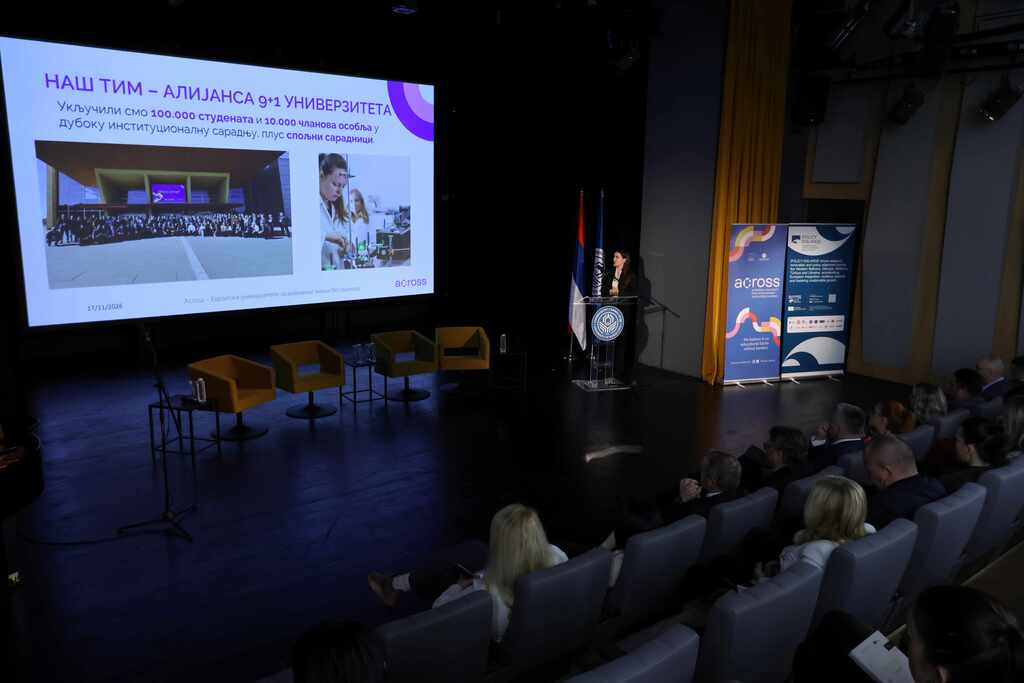
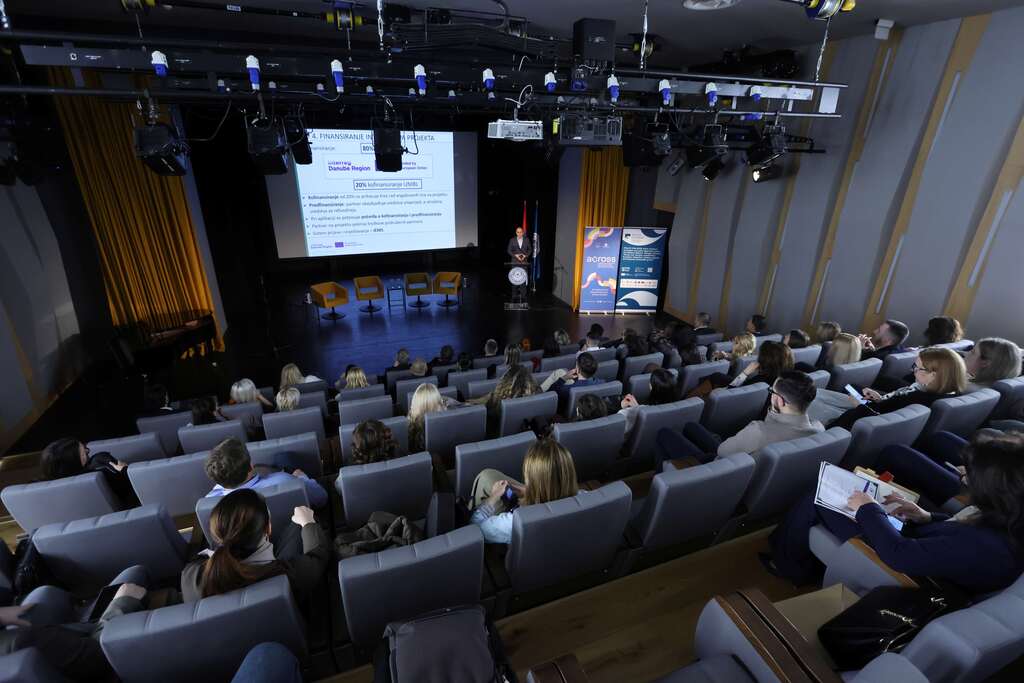
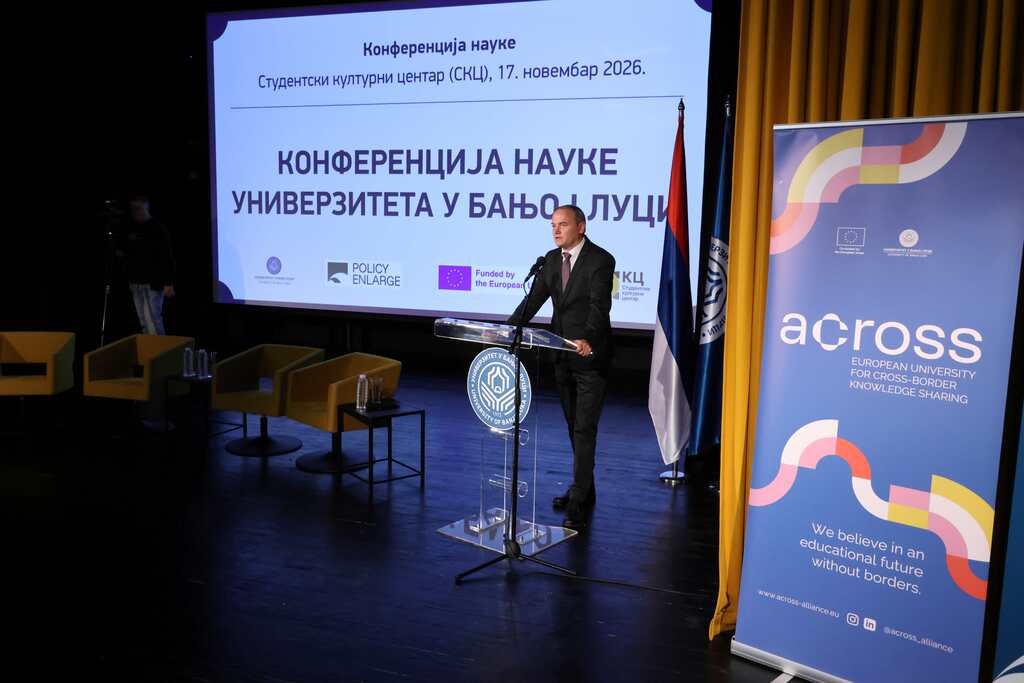
Before the opening of the Science Conference, held on 17 November 2026 at the UNIBL Student Cultural Centre, Rector Škrbić noted that the University had been rewarding young researchers, teaching assistants, assistant professors and professors for ten years for their achievements in promoting the UNIBL internationally.
“We want to recognize those whose work has significantly enhanced the international reputation of our University. This is a good practice that we will continue, as it is important to highlight those who achieve significant results and give them the recognition they deserve,” Rector Škrbić said.
A total of 89 academic staff members, associates and researchers who were first authors of papers published in journals with high impact factors received awards for their scientific publications, while 38 were recognized for their participation in international research projects, including Horizon Europe and Interreg IPA programs.
Awards were also presented to four coordinators of Erasmus+ projects and one representative of the Academy of Arts for achievements in artistic creation.
This year's new feature was the introduction of awards for papers published in domestic scientific journals categorized by the Ministry for Scientific and Technological Development and Higher Education of the Republic of Srpska. On this basis, a further 12 academic staff members, associates and researchers received awards, with an additional BAM 12,000 allocated for this purpose.
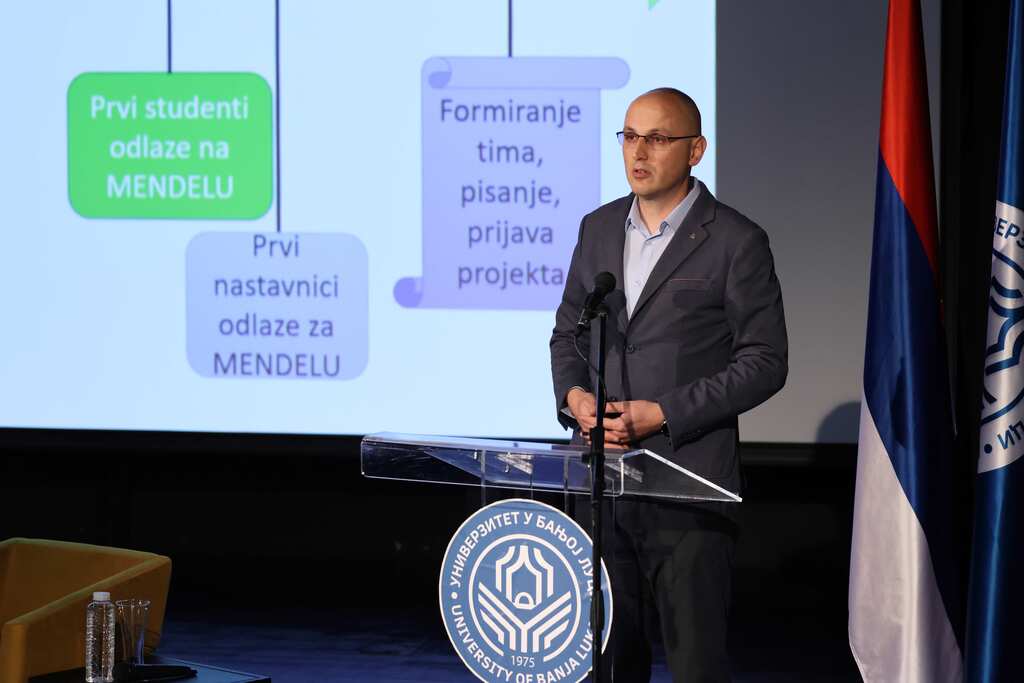
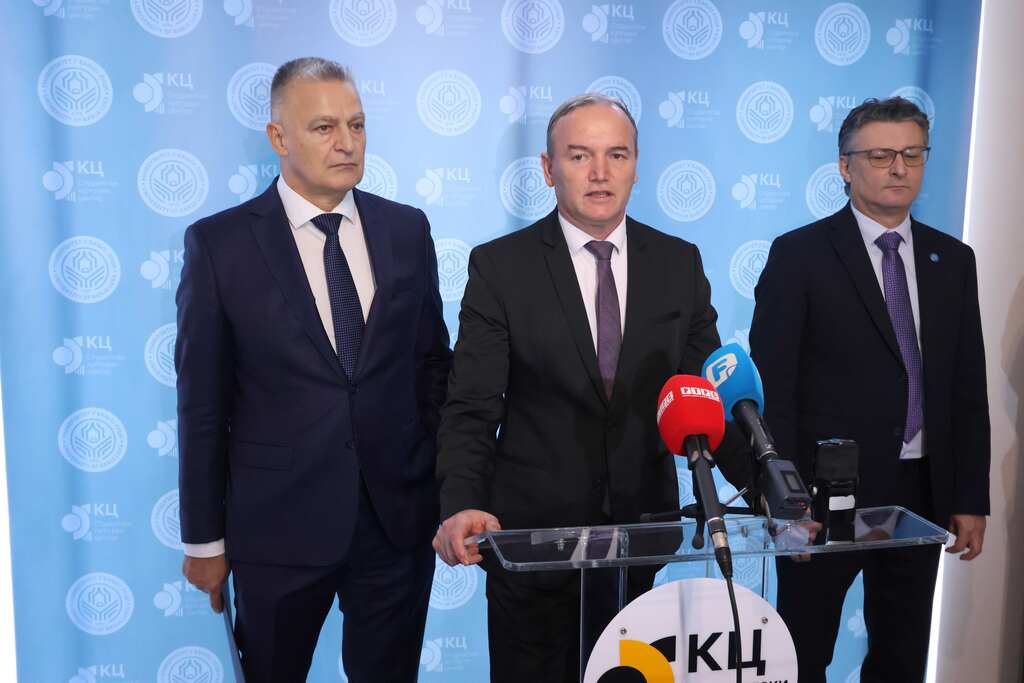
Zoran Bjelajac, Assistant Minister for Scientific and Technological Development and Higher Education of the Republic of Srpska, noted that the two public universities in the Republic of Srpska had more than 180 award-winning scientists and researchers.
He emphasized that the Ministry would continue to support research activities and the development of the research and innovation system of the Republic of Srpska.
“Science cannot and should not be kept isolated; it must have practical applications through closer links between academia and the economy, to ensure that young researchers and scientists remain in the Republic of Srpska,” Bjelajac said.
Vesna Nešković from Serbia, an expert on Horizon Europe projects, noted that events of this kind represented a further step towards strengthening cooperation between the Republic of Srpska and Serbia.
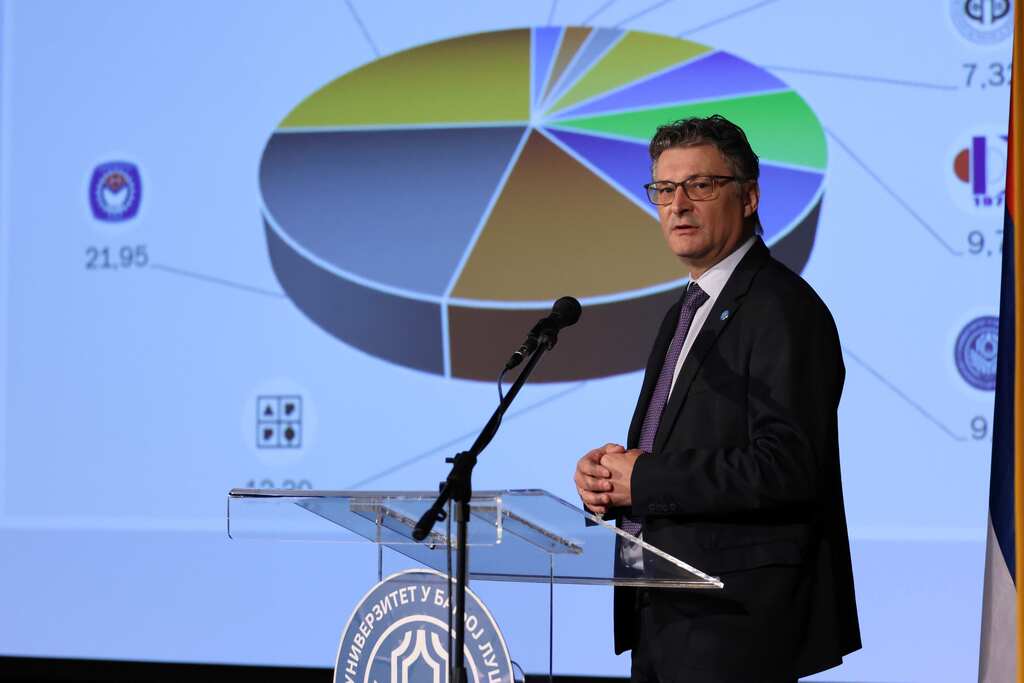
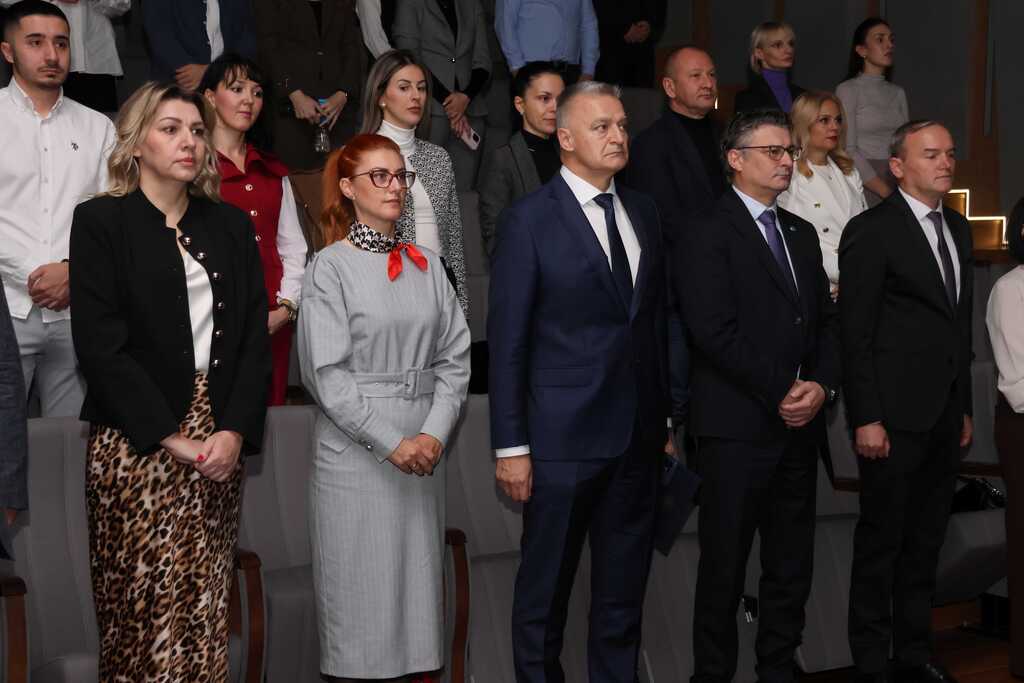
The conference also featured a panel discussion on creating an enabling research ecosystem, during which participants exchanged experiences regarding the involvement of young researchers in international projects.
Participants also had the opportunity to learn about examples of successful international projects being implemented at the University of Banja Luka.
The second part of the program featured an interactive workshop entitled “From an Idea to a Successful Project Application – Step by Step”, led by Vesna Nešković.
Photo: D. Desnica