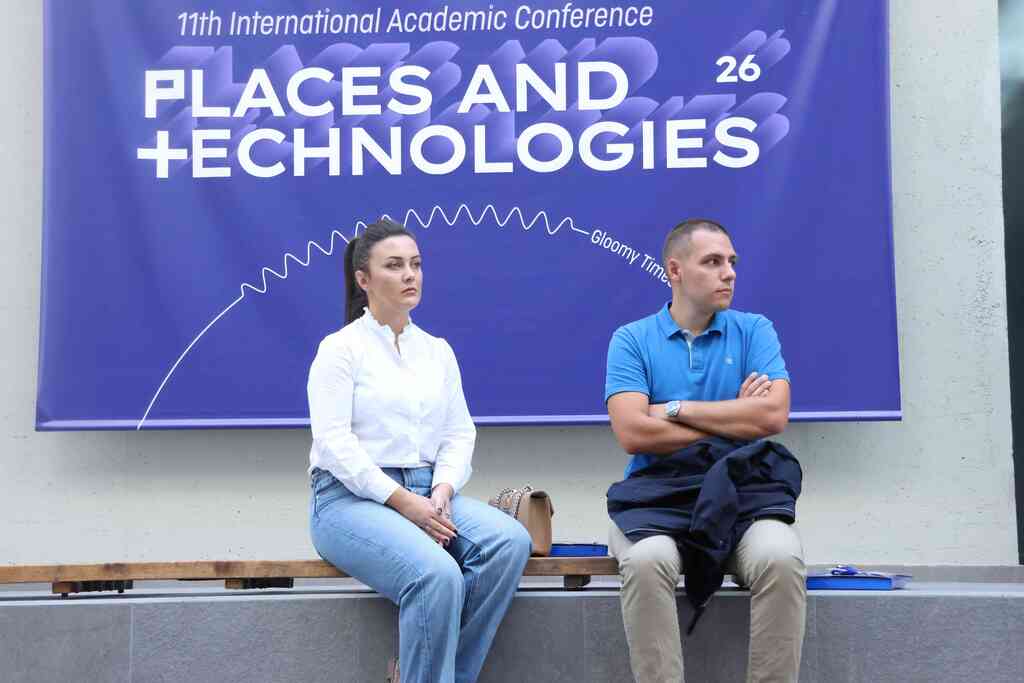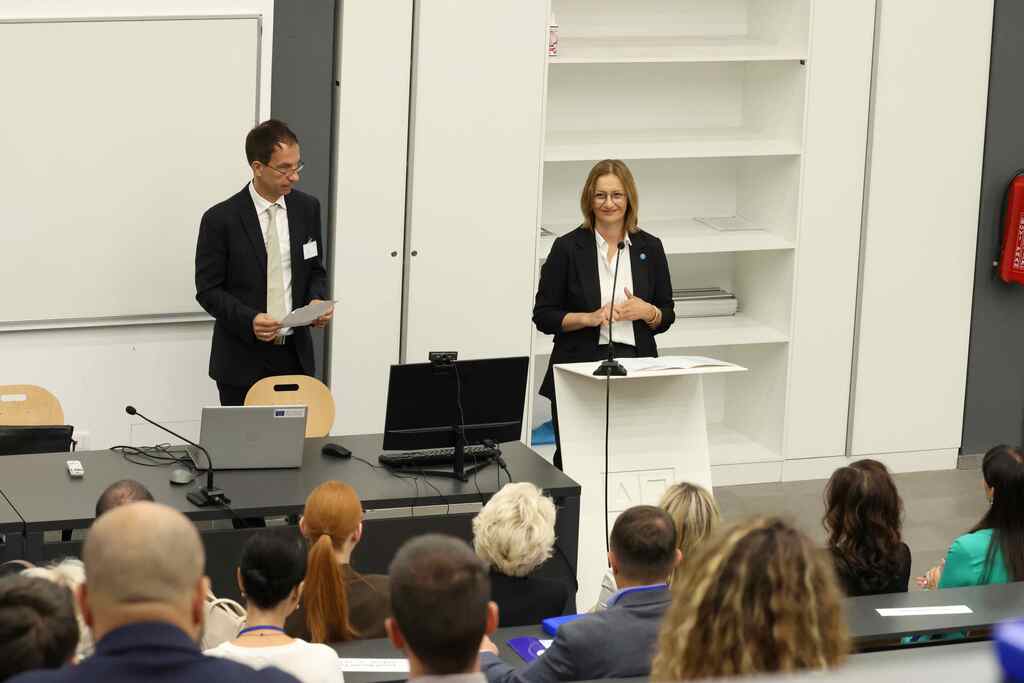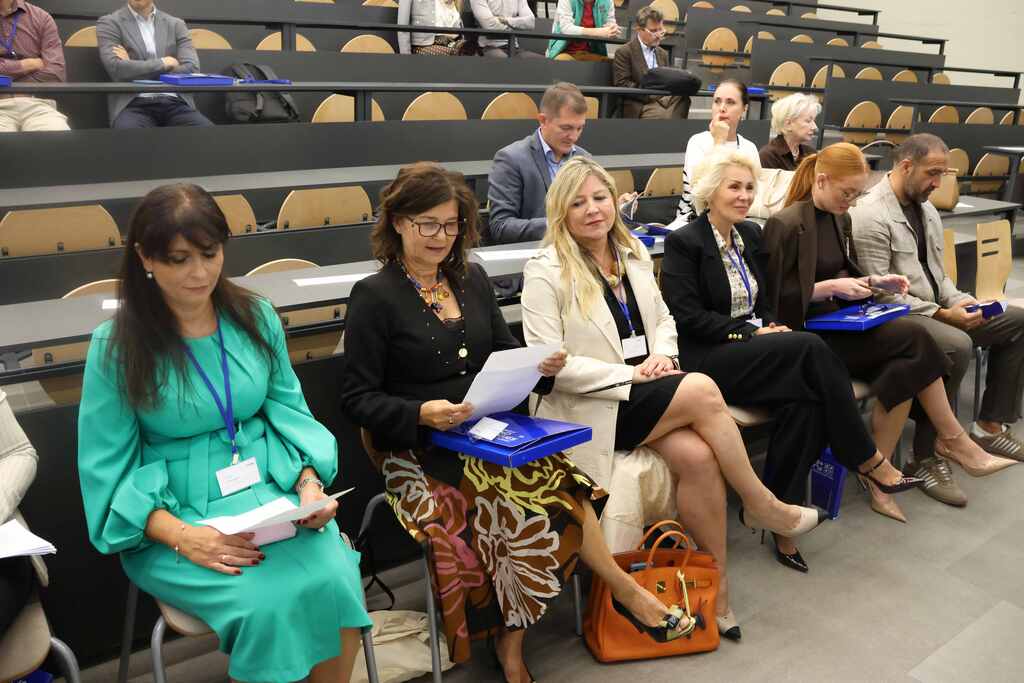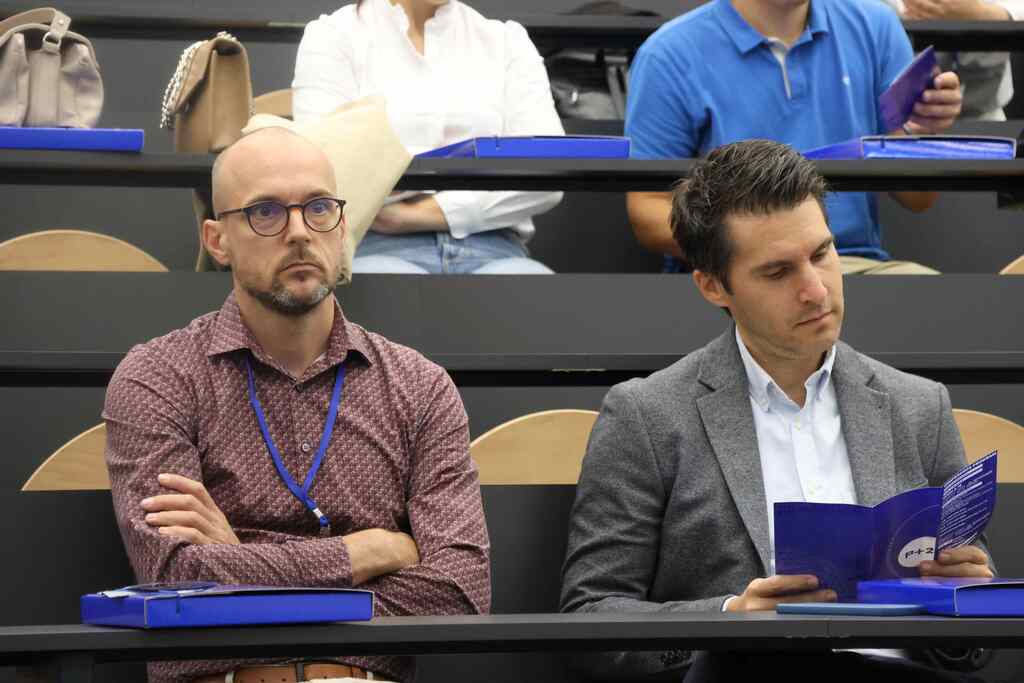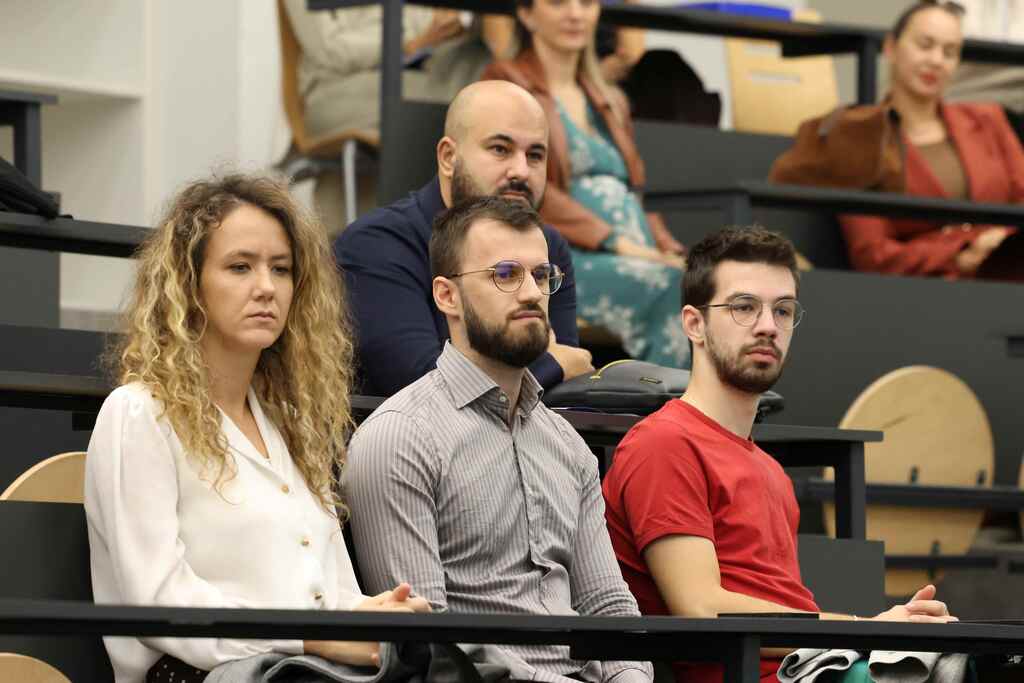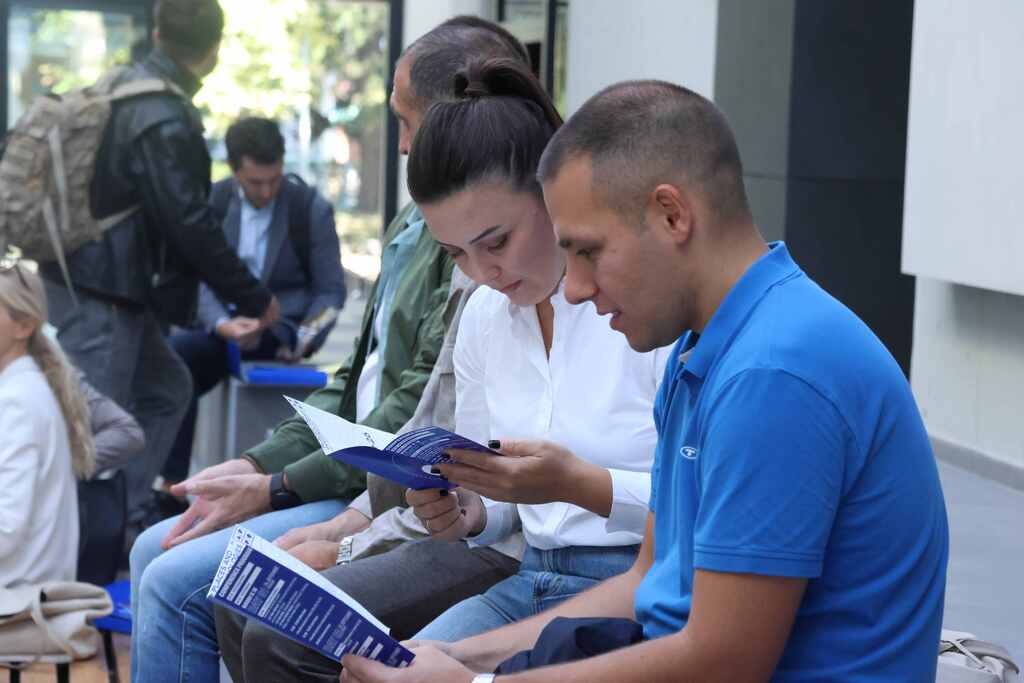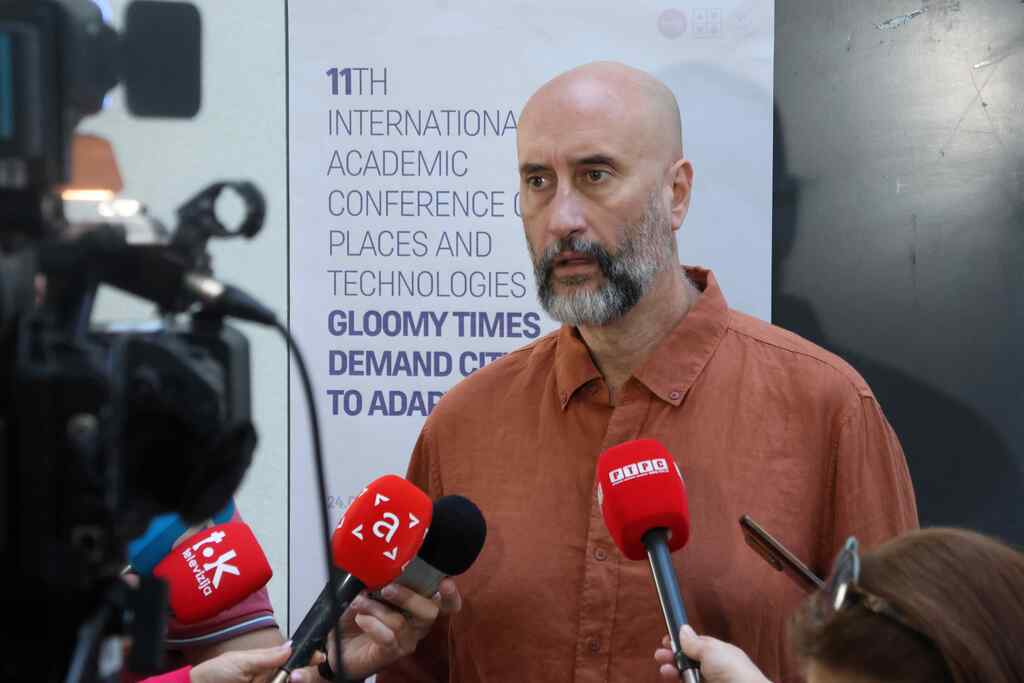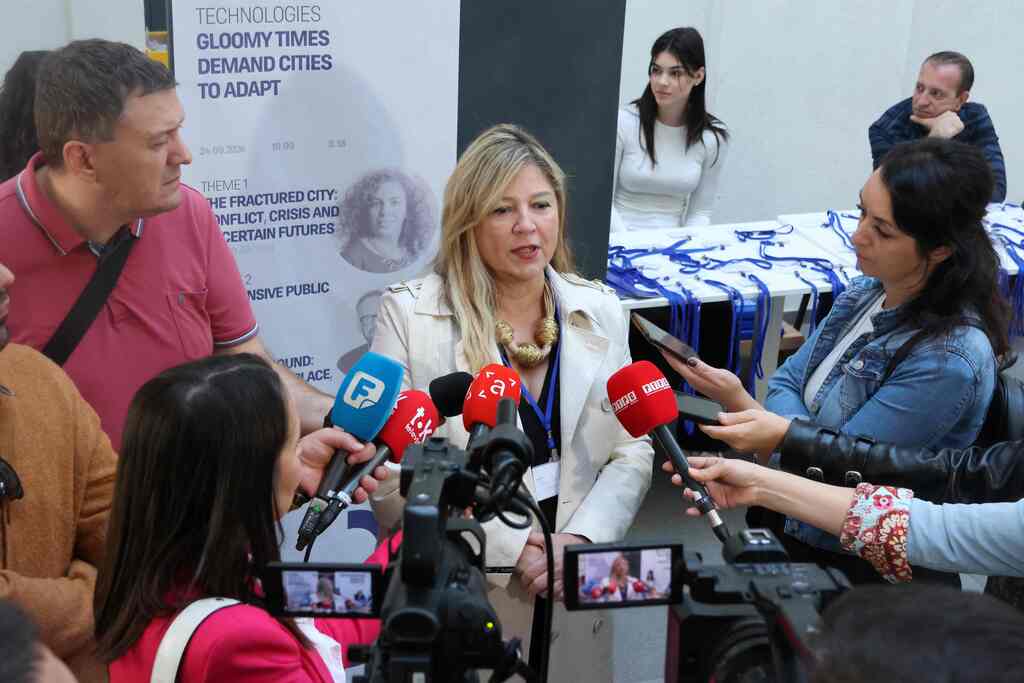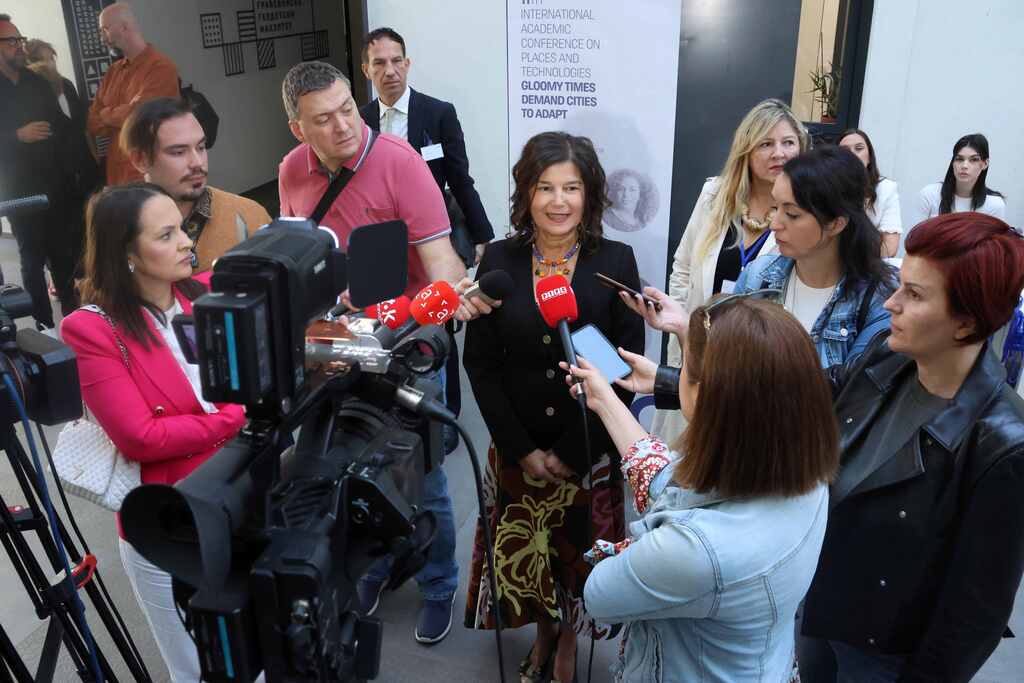
How cities can respond to natural and social crises while at the same time remaining places where people can enjoy a good quality of life is at the heart of the international scientific conference “Places and Technologies 2026”, which opened on 24 September 2026 at the Faculty of Architecture, Civil Engineering and Geodesy of the University of Banja Luka.
The conference has brought together more than 100 scientists and researchers from the region and abroad, and this year’s event is being held under the slogan “Gloomy Times Demand Cities to Adapt”.
The conference focuses on architecture, urban planning and construction, as well as broader processes that shape the development of cities and their adaptation to contemporary challenges.
Conference Director Prof. Aleksandra Đukić, PhD, said that experts are examining how modern cities should develop in order to respond to increasingly complex challenges.
She noted that the concept of “happy cities” is one possible response to numerous problems of contemporary urban life, as it views the city as a space that directly affects quality of life.
This topic was explored in particular by Prof. Eva Vaništa Lazarević, PhD, of the Faculty of Architecture of the University of Belgrade, who pointed out that the concept of the happy city goes beyond its physical structure and brings together the ideas of a smart, resilient and green city.
As highlighted at the conference, a city is not merely a collection of streets, buildings and squares, but a space in which everyday life takes place and which, through its design and organisation, directly affects the quality of life of its residents.
The importance of protecting the public interest in spatial planning and development was highlighted by Dean of the Faculty of Architecture, Civil Engineering and Geodesy of the University of Banja Luka Prof. Saša Čvoro, PhD, stressing that these issues must be addressed by both the state and local communities.
“At the same time, we are trying to be a place for dialogue. Unfortunately, we are witnessing developments in the field of spatial planning, and this is a problem that has existed for some twenty years, since the Urban Planning Institute and the Institute for Testing Materials and Structures were shut down. The role of the Faculty is to try, together with decision-makers, to point out how we should approach spatial planning,” Čvoro said.
Participants in the conference were welcomed on behalf of the University of Banja Luka by Acting Vice-Rector for Teaching, Student Affairs and Quality Prof. Milica Balaban, PhD.
She highlighted the importance of holding such an international scientific conference in Banja Luka, stressing that the University seeks to support the exchange of knowledge and experience and further strengthen international scientific cooperation. She noted that such events contribute to the visibility of the University of Banja Luka on the international scientific map and create opportunities for new forms of cooperation.
Held for the 11th time, the conference brings together experts from different parts of the world working on the future of cities and space. Particular attention is paid to the application of new technologies and their role in shaping the contemporary urban environment.
This year’s conference focuses on the resilience of cities and their ability to adapt to natural and social changes. In a time of climate, economic and social crises, the question of how to make cities more resilient and better able to respond to future challenges is becoming increasingly important.
The conference is hosted by the Faculty of Architecture, Civil Engineering and Geodesy of the University of Banja Luka, in cooperation with the Faculty of Architecture of the University of Belgrade and its Urban Lab for Urban Regeneration (UrBan Lab).
The conference is held every other year in a different major Central European city, and this year Banja Luka was selected as its host city.
During the conference, scientific papers and research findings will be presented, providing an opportunity for experts from the region and abroad to exchange knowledge and experience.
The conference will run until 26 September.
Photo: D. Desnica